
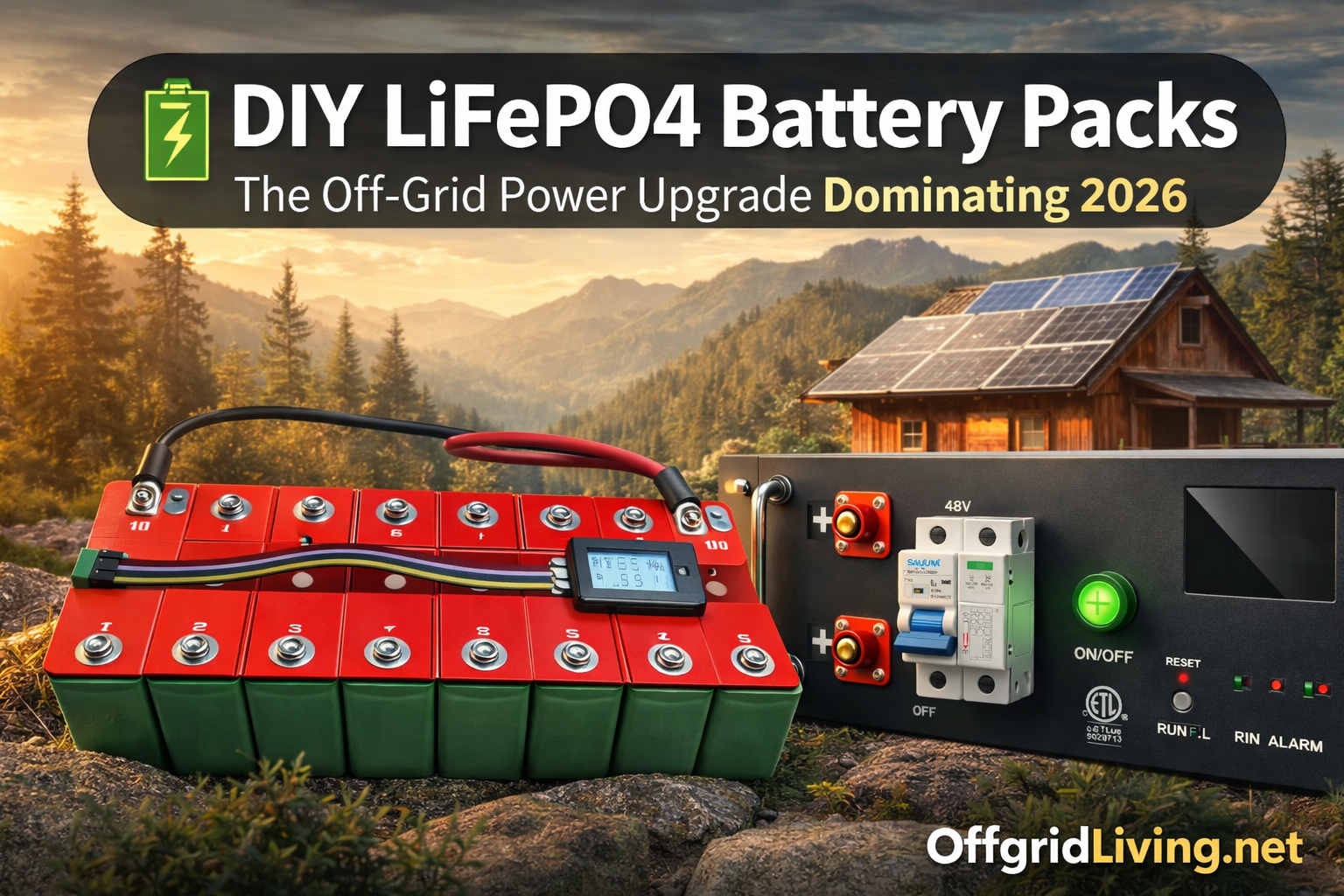
In 2026, one thing is clear in the off-grid industry:
People are no longer just installing solar.
They’re building their own lithium battery banks.
DIY LiFePO4 (Lithium Iron Phosphate) battery packs have moved from niche hobby projects to mainstream off-grid infrastructure. Cabin owners, homesteaders, vanlifers, and even suburban homeowners preparing for outages are assembling their own high-capacity battery systems — often saving thousands of dollars in the process.
But this isn’t just about saving money.
It’s about control.
It’s about resilience.
And it’s about energy independence in an increasingly uncertain grid environment.
Let’s break down why DIY lithium has become one of the most important trends in off-grid power in 2026.
What Makes LiFePO4 Different?
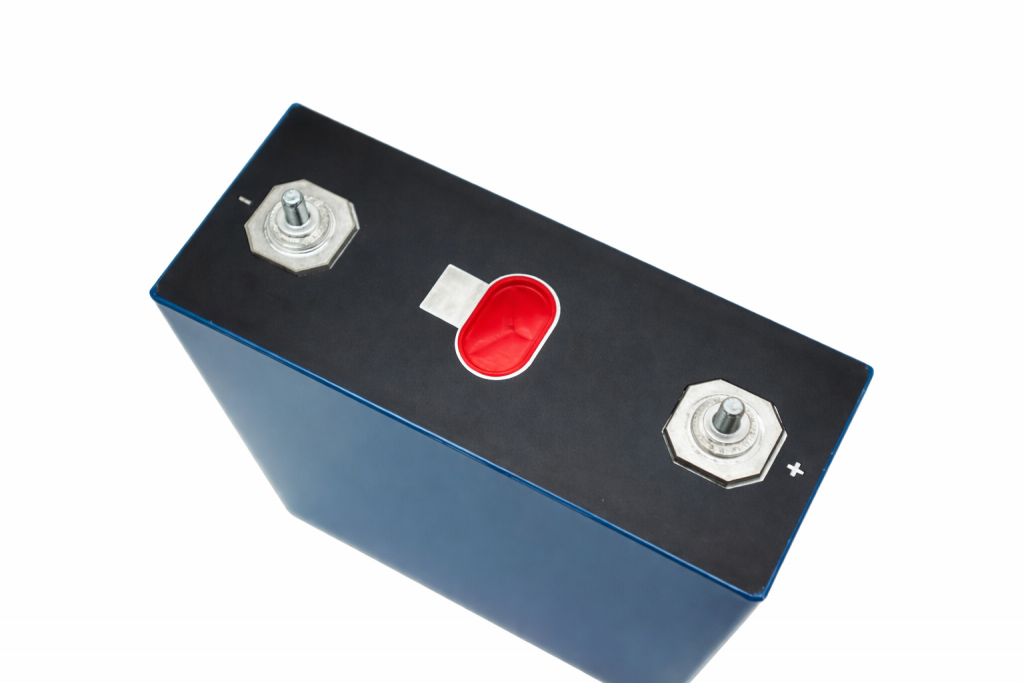
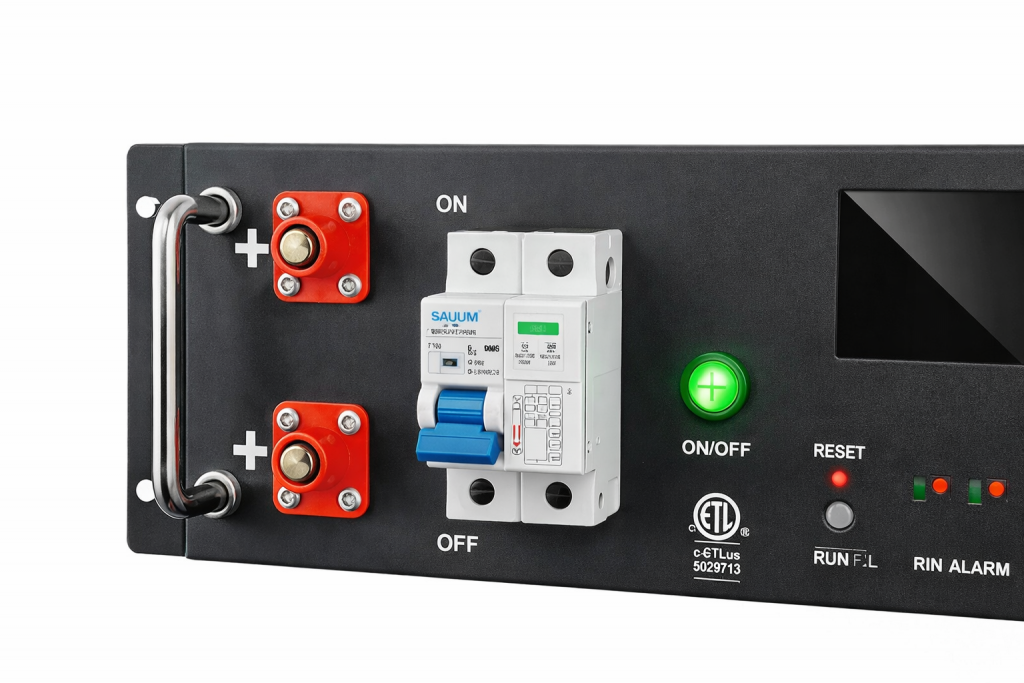
LiFePO4 is a lithium battery chemistry designed specifically for durability and safety. Unlike traditional lithium-ion batteries used in phones or laptops, LiFePO4 batteries are:
-
Extremely stable
-
Resistant to thermal runaway
-
Capable of deep discharge
-
Rated for 3,000–6,000+ cycles
-
Lightweight compared to lead-acid
In practical terms:
A properly built LiFePO4 pack can last 10+ years in an off-grid system.
And unlike lead-acid batteries — which should only be discharged to about 50% — LiFePO4 batteries can safely use 80–100% of their rated capacity.
That alone effectively doubles your usable energy.
Why DIY Is Exploding in 2026
Prebuilt lithium batteries are widely available now. So why are people still building their own?
Three major reasons:
1️⃣ Cost Savings at Scale
Battery cell prices have continued to drop in 2026 due to global manufacturing expansion. Buying raw prismatic cells directly often costs significantly less than buying a branded, enclosed battery.
Example:
A 12V 280Ah battery (about 3.5 kWh usable):
-
DIY build: ~$800–$1,000
-
Prebuilt equivalent: $1,300–$1,800
Scale that up to a 15–20 kWh homestead system, and savings can reach several thousand dollars.
2️⃣ Customization
DIY builders can:
-
Choose 12V, 24V, or 48V configurations
-
Design rack-mounted systems
-
Build compact van-friendly enclosures
-
Expand capacity later
-
Select higher-quality BMS components
Off-grid systems aren’t one-size-fits-all. DIY gives total control.
3️⃣ Energy Independence Culture
In 2026, power outages, extreme weather events, and rising utility rates are pushing more people toward energy sovereignty.
DIY battery systems represent a psychological shift:
You are no longer dependent on utility companies.
You understand your power system.
You control your storage capacity.
That mindset is fueling growth more than anything else.
The Core Components of a DIY LiFePO4 Pack
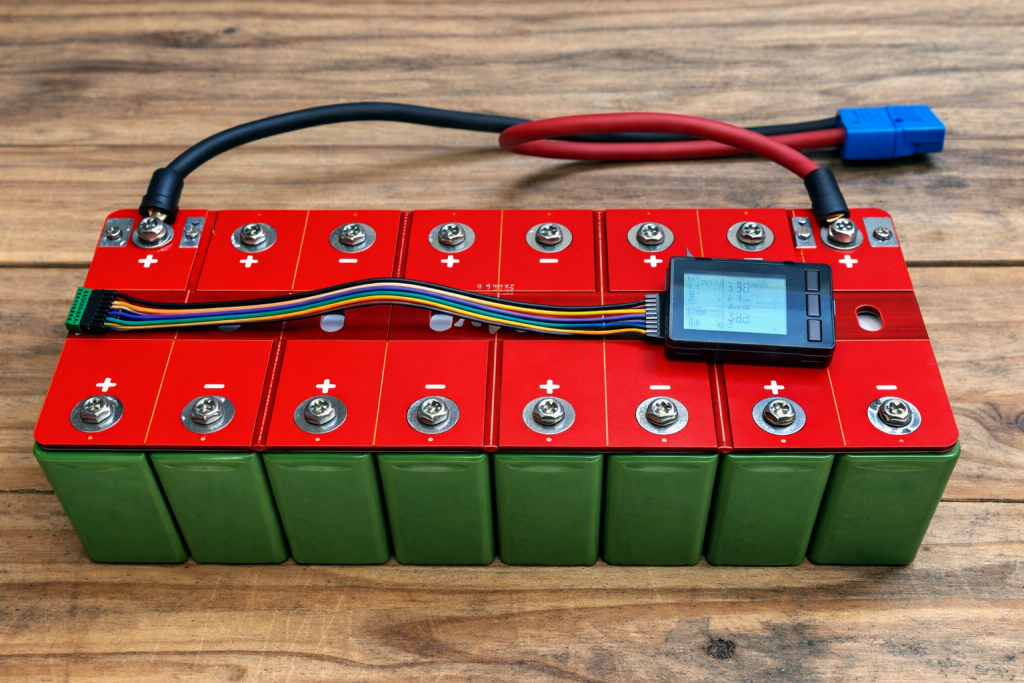
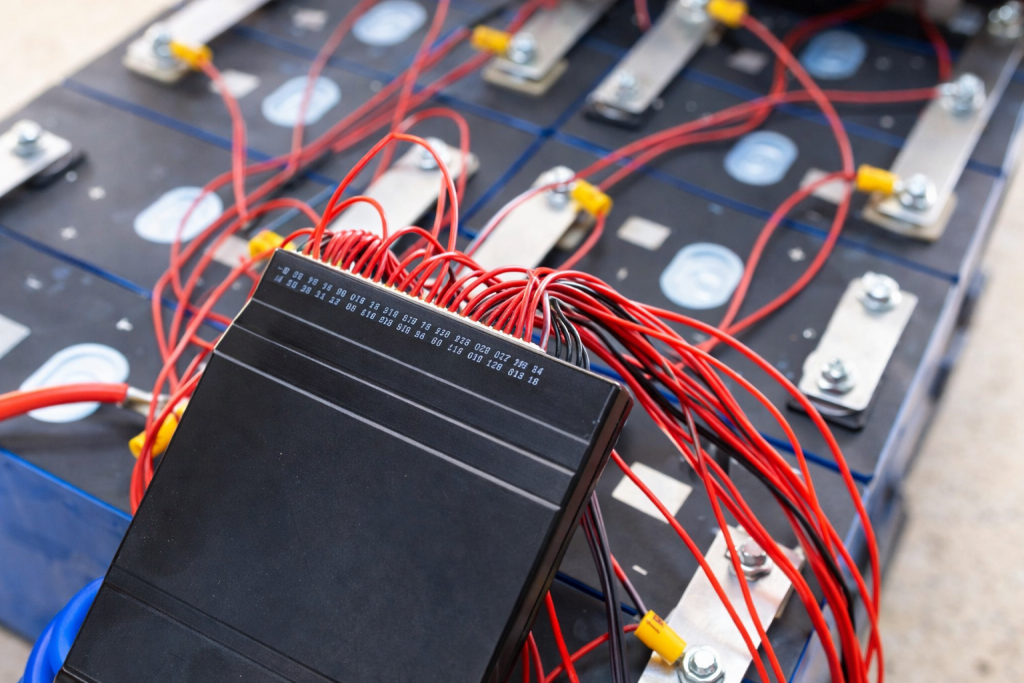
A proper DIY lithium build isn’t complicated — but it must be done correctly.
Here’s what’s required:
🔹 LiFePO4 Cells
Most builds use:
-
3.2V prismatic cells
-
4 cells in series = 12V
-
8 cells = 24V
-
16 cells = 48V
Common capacities range from 100Ah to 314Ah per cell in 2026, with higher-density cells becoming more common.
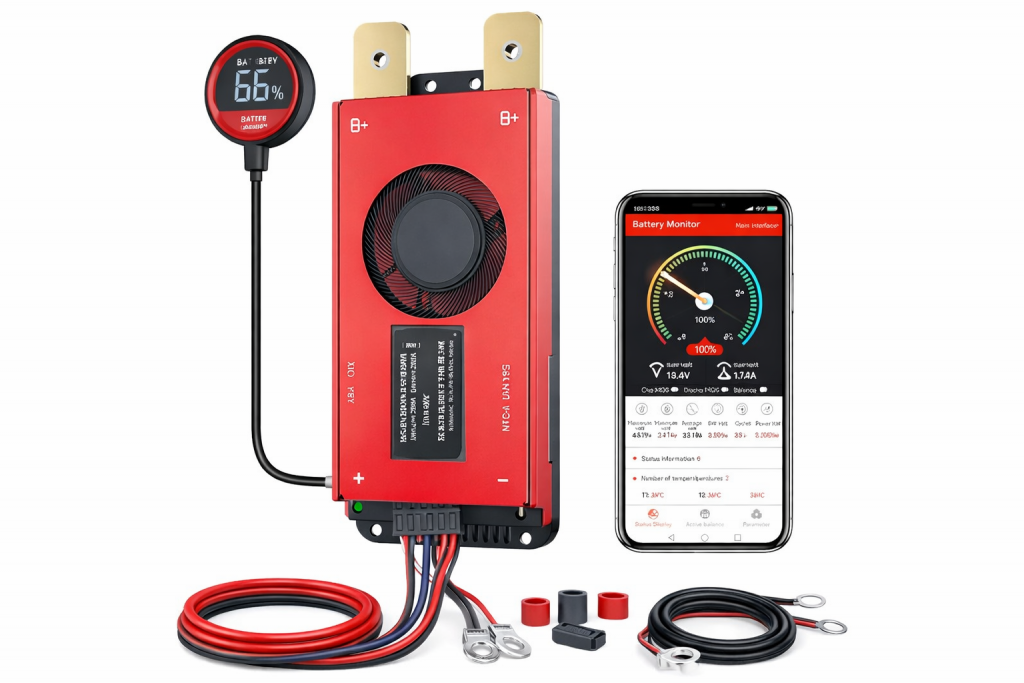
🔹 Battery Management System (BMS)
The BMS is critical. It protects the battery from:
-
Overcharging
-
Over-discharging
-
Short circuits
-
Overcurrent
-
Cell imbalance
Smart BMS systems now include:
-
Bluetooth monitoring
-
App-based voltage tracking
-
Temperature control
-
Real-time alerts
Skipping the BMS is not an option.
🔹 Busbars & Cabling
Copper busbars connect the cells. Proper torque and tight connections prevent resistance buildup and heat issues.
Heavy-gauge cables and correct fusing are mandatory for safety.
🔹 Enclosure & Compression
Prismatic cells benefit from compression to prevent swelling over time.
Builders typically use:
-
Metal battery cases
-
Rack-mounted cabinets
-
Custom wood enclosures with compression plates
Proper ventilation and secure mounting are essential.
Performance in Real-World Off-Grid Systems
Users report significant improvements after switching from lead-acid to LiFePO4:
-
Stable voltage under heavy loads
-
Faster solar charging
-
Minimal maintenance
-
Reduced generator usage
-
Lighter system weight
Many homesteads that previously ran generators daily now only use them during prolonged storms.
That translates to:
-
Lower fuel costs
-
Less noise
-
Cleaner living
Is DIY Lithium Safe?
LiFePO4 is one of the safest lithium chemistries available. It is far more stable than NMC lithium batteries found in consumer electronics.
However, safety depends on:
-
Correct wiring
-
Proper fusing
-
BMS installation
-
Correct charger settings
-
Secure connections
DIY lithium is not dangerous — but it demands respect.
Anyone comfortable with basic electrical systems can learn it. Those unfamiliar should either study thoroughly or work with an experienced builder.
Common Mistakes to Avoid in 2026
As more people enter the space, common errors are becoming clear:
-
Undersized BMS
-
Incorrect inverter settings
-
Mixing mismatched cells
-
Skipping compression
-
Improper fuse placement
-
Buying low-grade cells without testing
Planning and patience separate successful builds from failed ones.
Who Should Consider DIY LiFePO4?
DIY lithium is ideal for:
-
Off-grid cabins
-
Tiny homes
-
Homesteads
-
RV and vanlife setups
-
Emergency backup systems
-
Workshops and remote properties
It may not be ideal for someone who:
-
Wants plug-and-play convenience
-
Is uncomfortable with electrical wiring
-
Needs a full manufacturer warranty
The Bigger Picture: Off-Grid Power in 2026
DIY LiFePO4 isn’t just a money-saving hack.
It’s part of a broader movement toward:
-
Grid resilience
-
Renewable integration
-
Self-sufficiency
-
Long-term energy security
As solar panel efficiency improves and battery costs fall, the logical next step is large-scale personal storage.
Energy is becoming decentralized.
And lithium storage is at the center of that shift.
Final Thoughts
DIY LiFePO4 battery packs have moved from experimental projects to core infrastructure in the off-grid world.
They offer:
-
Long lifespan
-
High efficiency
-
Lower long-term cost
-
Deep usable capacity
-
Custom scalability
In 2026, building your own battery bank isn’t extreme.
It’s strategic.
The grid may remain unpredictable.
But your power doesn’t have to be.